7 foods for shrinking fibroids
7 Foods for Shrinking Fibroids: Natural Dietary Choices for Better Women's Health

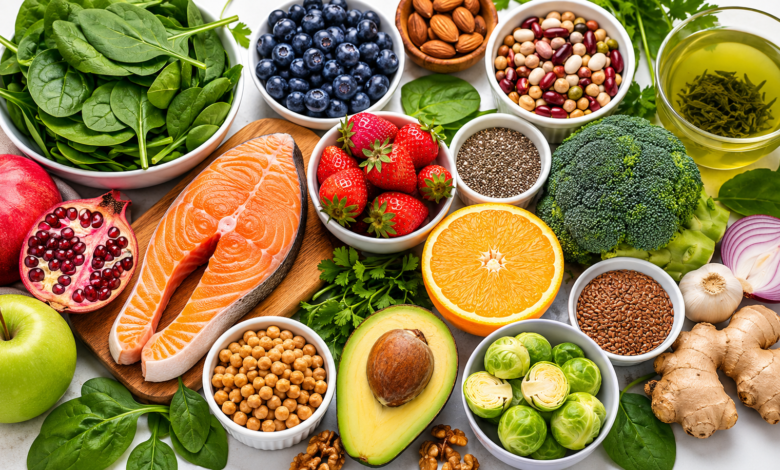
7 Foods for Shrinking Fibroids: Natural Dietary Choices for Better Women’s Health
Uterine fibroids are among the most common noncancerous growths that develop in the uterus. Many women experience fibroids during their reproductive years, although the severity of symptoms can vary significantly. Some women may have no symptoms at all, while others may experience heavy menstrual bleeding, pelvic discomfort, frequent urination, or reproductive complications.
While medical treatments are available, many women are also interested in lifestyle and dietary approaches that may support their overall health. Although no specific food can guarantee the elimination of fibroids, certain nutrient-rich foods may help support hormonal balance, reduce inflammation, and contribute to better reproductive health.
This guide explores seven foods that are commonly included in a healthy diet for women who want to manage fibroid-related symptoms naturally.
Understanding the Role of Diet in Fibroid Management
Fibroids are influenced by several factors, including hormones such as estrogen and progesterone. Research continues to explore the relationship between diet and fibroid development. A balanced eating pattern that includes fruits, vegetables, whole grains, and lean proteins may help support overall wellness and healthy hormone function.
Diet alone should not be viewed as a cure for fibroids. However, healthy food choices can be an important part of a broader wellness strategy that includes regular exercise, adequate sleep, stress management, and medical guidance when needed.
1. Leafy Green Vegetables
Leafy greens are among the most nutrient-dense foods available. Vegetables such as spinach, kale, collard greens, and Swiss chard contain vitamins, minerals, and antioxidants that support overall health.
These vegetables are particularly rich in iron, which can be beneficial for women who experience heavy menstrual bleeding associated with fibroids. Iron helps the body produce healthy red blood cells and may reduce the risk of iron-deficiency anemia.
Leafy greens also contain fiber, which supports digestion and may help the body process excess hormones more efficiently.
Examples of Leafy Greens
- Spinach
- Kale
- Arugula
- Mustard greens
- Swiss chard
2. Berries
Berries are packed with antioxidants that help protect cells from oxidative stress. Strawberries, blueberries, raspberries, and blackberries contain beneficial plant compounds that may support overall health.
Oxidative stress and inflammation have been linked to various chronic health conditions. Including antioxidant-rich foods in your diet may help promote a healthier internal environment.
Berries are also naturally low in calories and high in fiber, making them an excellent addition to a balanced eating plan.
Ways to Enjoy Berries
- Add them to smoothies
- Mix them into yogurt
- Use them as a healthy snack
- Include them in oatmeal
3. Citrus Fruits
Citrus fruits provide vitamin C, an essential nutrient that supports immune function and collagen production. Oranges, lemons, grapefruits, and limes are popular examples.
This nutrient supports better iron uptake from vegetables, fruits, and other plant-derived foods. For women managing heavy menstrual bleeding, combining iron-rich foods with vitamin C-rich fruits may be particularly beneficial.
In addition, citrus fruits contain antioxidants that support overall wellness and may help reduce inflammation throughout the body.
Popular Citrus Fruits
- Oranges
- Lemons
- Grapefruits
- Tangerines
- Limes
4. Beans and Legumes
Beans and legumes are excellent sources of plant-based protein, fiber, and essential minerals. They can help create satisfying meals while supporting digestive health.
Fiber plays an important role in maintaining healthy digestion and may assist the body in regulating hormone levels. Since hormonal balance is an important factor in women’s reproductive health, fiber-rich foods are often recommended as part of a healthy diet.
Some nutritious options include:
- Lentils
- Chickpeas
- Black beans
- Kidney beans
- Pinto beans
These foods can be incorporated into soups, salads, stews, and grain bowls.
5. Fatty Fish
Fatty fish such as salmon, sardines, trout, and mackerel contain omega-3 fatty acids. These healthy fats are known for their anti-inflammatory properties and contribute to overall cardiovascular and metabolic health.
Inflammation can influence many aspects of wellness, making omega-3-rich foods a valuable addition to a balanced diet.
Experts often recommend consuming fish a few times per week as part of a healthy eating pattern. For individuals who do not eat fish, plant-based omega-3 sources such as flaxseeds and chia seeds may also be beneficial.
Examples of Fatty Fish
- Salmon
- Sardines
- Mackerel
- Trout
- Herring
6. Cruciferous Vegetables
Cruciferous vegetables are widely recognized for their impressive nutritional profile. This group includes broccoli, cauliflower, Brussels sprouts, cabbage, and bok choy.
These vegetables contain natural compounds that support the body’s normal detoxification processes. Some researchers believe these compounds may play a role in helping the body metabolize hormones more effectively.
Cruciferous vegetables are also rich in fiber, vitamins, and antioxidants that contribute to overall health.
Easy Ways to Include Them
- Roast broccoli as a side dish
- Add cabbage to salads
- Stir-fry bok choy with vegetables
- Include cauliflower in soups
7. Green Tea
Green tea has gained attention because of its antioxidant content. It contains plant compounds known as catechins, which have been studied for their potential health benefits.
While more research is needed, green tea is often included in wellness-focused diets due to its antioxidant properties and low-calorie nature.
Replacing sugary beverages with green tea may also support better overall dietary habits and help reduce excess calorie intake.
Tips for Drinking Green Tea
- Enjoy one to three cups daily
- Avoid excessive sweeteners
- Drink alongside a balanced diet
- Choose high-quality tea products
Additional Dietary Tips for Women With Fibroids
In addition to including nutrient-rich foods, some dietary habits may support overall health and well-being.
Limit Highly Processed Foods
Highly processed foods often contain added sugars, unhealthy fats, and excessive sodium. Reducing intake of these products may contribute to better overall health.
Stay Hydrated
Water supports numerous bodily functions, including digestion, circulation, and nutrient transport. Adequate hydration is important for everyone, including women managing fibroid symptoms.
Focus on Whole Foods
Whole foods provide vitamins, minerals, fiber, and antioxidants that support general wellness. Building meals around vegetables, fruits, lean proteins, whole grains, and healthy fats can help create a balanced dietary pattern.
Maintain a Healthy Weight
Excess body fat may influence hormone levels. Combining healthy eating habits with regular physical activity can support weight management and overall health.
When to Seek Medical Advice
Although dietary improvements can support general wellness, they should not replace professional medical care. Women experiencing severe symptoms such as heavy bleeding, significant pelvic pain, or fertility concerns should consult a qualified healthcare professional.
A healthcare provider can recommend appropriate testing and discuss treatment options based on individual circumstances.
Conclusion
When it comes to managing fibroids, nutrition can play a valuable supportive role. While no food can guarantee that fibroids will disappear, choosing nutrient-rich options may help support hormonal balance, reduce inflammation, and promote overall reproductive health.
Leafy green vegetables, berries, citrus fruits, beans, fatty fish, cruciferous vegetables, and green tea are among the foods often included in a healthy lifestyle focused on wellness and symptom management.
The best approach is to combine healthy dietary habits with regular medical care, physical activity, and other positive lifestyle choices. By taking a balanced and informed approach, women can support their overall health while managing the challenges associated with uterine fibroids.