intermountain medical center emergency services
Intermountain Medical Center Emergency Services: Comprehensive Emergency Care for Patients

Intermountain Medical Center Emergency Services: Comprehensive Emergency Care for Patients
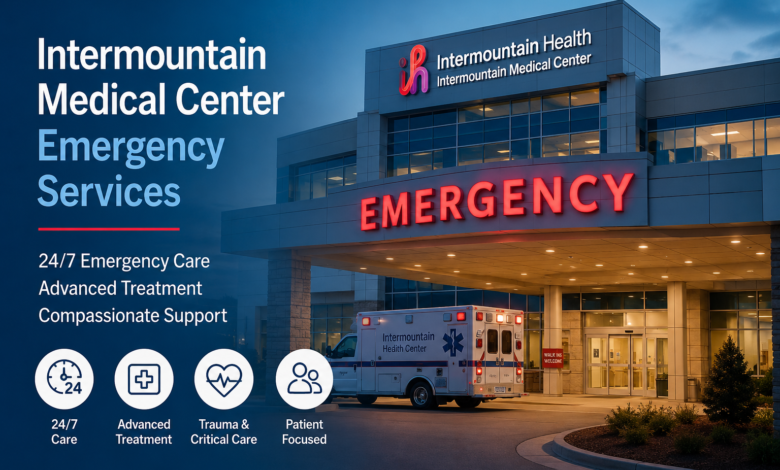
Emergency medical situations can occur without warning, making access to reliable healthcare services essential. Intermountain Medical Center Emergency Services is recognized for providing immediate medical attention to individuals experiencing serious illnesses, injuries, and other urgent health concerns. With a focus on patient-centered care, advanced medical technology, and highly trained healthcare professionals, emergency services play a critical role in helping patients receive timely treatment when every second matters.
Understanding Emergency Medical Services
Emergency medical services are designed to provide rapid assessment and treatment for patients facing potentially life-threatening conditions. These services are available around the clock to ensure that individuals can receive medical assistance whenever emergencies arise.
Healthcare professionals working in emergency departments are trained to manage a wide range of medical situations, including severe injuries, heart-related conditions, respiratory problems, infections, and sudden illnesses. Their goal is to stabilize patients, diagnose medical issues quickly, and provide appropriate treatment.
Advanced Emergency Care Facilities
Modern emergency departments are equipped with advanced diagnostic and treatment technologies that support accurate and efficient medical care. Patients benefit from access to sophisticated imaging systems, laboratory testing, monitoring equipment, and specialized treatment areas.
These resources help medical teams identify health problems quickly and develop treatment plans tailored to each patient’s condition. The availability of advanced medical technology contributes to improved patient outcomes and more effective emergency care.
Trauma and Critical Care Support
One of the most important aspects of emergency healthcare is trauma care. Trauma specialists are trained to manage serious injuries resulting from accidents, falls, and other critical incidents. Their expertise enables rapid intervention during situations where immediate treatment can significantly impact recovery.
Critical care services are also available for patients experiencing severe medical emergencies. These services often involve close monitoring, specialized treatment, and coordination among healthcare professionals to ensure comprehensive care.
Patient-Centered Healthcare Approach
Quality emergency services extend beyond medical treatment. Healthcare providers understand that emergencies can be stressful and overwhelming for patients and their families. A patient-centered approach focuses on clear communication, compassionate support, and personalized care throughout the treatment process.
Medical professionals work closely with patients to explain diagnoses, discuss treatment options, and address concerns. This commitment to patient satisfaction helps create a supportive healthcare environment during challenging situations.
Benefits of Professional Emergency Services
Choosing a well-equipped emergency medical facility offers several advantages, including:
- Immediate access to emergency medical professionals.
- Advanced diagnostic and treatment capabilities.
- Comprehensive trauma and critical care support.
- Continuous availability throughout the day and night.
- Coordinated healthcare services for complex medical conditions.
- Enhanced patient safety and quality care standards.
Together, these advantages help patients receive timely medical attention, better treatment outcomes, and a more supportive experience during emergency situations.
When to Seek Emergency Medical Care
Patients should consider emergency medical attention when experiencing symptoms such as severe chest pain, difficulty breathing, serious injuries, uncontrolled bleeding, sudden weakness, loss of consciousness, or other potentially life-threatening conditions.
Prompt medical evaluation can help prevent complications and improve recovery outcomes. Understanding when to seek emergency care is an important part of maintaining overall health and safety.
The Future of Emergency Healthcare
Healthcare organizations continue to invest in innovation, technology, and professional training to improve emergency medical services. Advancements in medical equipment, digital health systems, and patient care practices are helping emergency departments deliver faster and more effective treatment.
As healthcare needs evolve, emergency services remain a vital component of modern medicine, ensuring that patients receive the urgent care they need during critical moments.
Conclusion
Intermountain Medical Center Emergency Services represents the importance of timely, professional, and patient-focused emergency healthcare. Through advanced medical resources, experienced healthcare professionals, and a commitment to quality care, emergency services help individuals receive prompt treatment during medical emergencies. Access to reliable emergency care remains essential for protecting health, supporting recovery, and improving patient outcomes.