Dentiloquent: Transforming Modern Dental Care Through Innovation and Patient-Centered Solutions
Innovative Dental Solutions for Better Oral Health, Advanced Technology, and Confident Smiles

Introduction to Dentiloquent
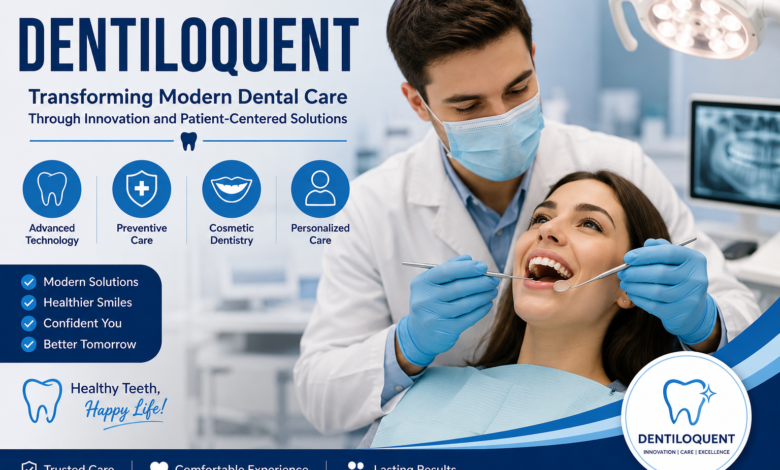
Oral health has become an essential part of overall wellness, influencing everything from confidence to long-term physical health. As dental technology continues to evolve, patients expect more comfortable treatments, accurate diagnoses, and personalized care. Dentiloquent represents this modern approach by emphasizing innovation, patient education, and preventive dental practices that help people maintain healthier smiles throughout their lives.
Instead of focusing only on treating dental problems after they occur, today’s dental philosophy encourages prevention, early detection, and minimally invasive procedures. This approach improves patient comfort while reducing the need for extensive treatments in the future. Dentiloquent reflects these values by highlighting the importance of quality care supported by modern technology and professional expertise.
Why Modern Dental Care Matters More Than Ever
Maintaining healthy teeth and gums supports more than just an appealing smile. Studies suggest that good oral health plays an important role in overall physical health and general wellness. Poor dental hygiene may increase the risk of various health conditions, making regular dental care an important part of a healthy lifestyle.
Modern dentistry has shifted toward comprehensive care that combines prevention, diagnosis, treatment, and patient education. Instead of waiting until pain develops, dental professionals encourage routine examinations that identify potential concerns before they become serious problems.
Patients today also expect greater comfort during treatment. New techniques and improved equipment have made dental procedures more efficient, less invasive, and significantly more comfortable than in previous decades.
The Vision Behind Dentiloquent
Dentiloquent reflects a modern philosophy that values patient-centered dental care. Every individual has unique oral health needs, requiring customized treatment plans rather than one-size-fits-all solutions.
Education plays an important role in this philosophy. When patients understand the causes of dental issues and learn proper preventive habits, they become active participants in maintaining their oral health.
A patient-focused approach also encourages open communication, helping individuals feel informed and confident before making treatment decisions.
Advanced Technologies Used in Modern Dentistry
Technology has transformed nearly every aspect of dentistry. Digital innovations improve diagnostic accuracy while enhancing patient comfort and treatment efficiency.
Digital imaging allows dental professionals to evaluate oral structures with remarkable precision. High-quality images support early diagnosis and detailed treatment planning without the limitations of traditional methods.
Three-dimensional scanning has also improved restorative dentistry. Digital impressions provide accurate measurements while eliminating many of the discomforts associated with older impression materials.
Computer-assisted treatment planning enables dentists to prepare personalized solutions for restorative and cosmetic procedures. This precision contributes to better outcomes and shorter recovery periods.
Laser dentistry has become another valuable advancement. Many soft tissue procedures can now be completed with reduced bleeding, minimal discomfort, and faster healing compared to conventional techniques.
Preventive Care as the Foundation of Oral Health
Preventive dentistry remains one of the most effective ways to maintain healthy teeth throughout life. Regular professional examinations help detect small concerns before they require extensive treatment.
Routine dental cleanings remove plaque and tartar that cannot always be eliminated through brushing alone. These appointments also allow dental professionals to evaluate gum health, tooth alignment, and signs of decay.
Patient education forms another essential component of preventive care. Proper brushing techniques, flossing habits, balanced nutrition, and fluoride use all contribute to long-term oral health.
Early intervention often reduces treatment complexity while lowering long-term dental costs.
Cosmetic Dentistry and Smile Enhancement
A bright, healthy smile can boost self-confidence and leave a positive impression in both social and workplace settings. Cosmetic dental treatments are designed to enhance the look of teeth while preserving their natural function.
Professional teeth whitening remains one of the most requested cosmetic treatments because it provides noticeable improvements with minimal treatment time.
Dental veneers help address concerns involving discoloration, minor misalignment, chipped teeth, and uneven spacing. Modern materials closely resemble natural enamel while offering durability and aesthetic appeal.
Orthodontic advancements have also expanded treatment options. Clear aligners provide a discreet alternative for correcting alignment issues without traditional braces.
Cosmetic procedures often combine artistic planning with scientific precision to achieve natural-looking results that complement each patient’s facial features.
Personalized Patient Experience
Every patient enters a dental clinic with different expectations, concerns, and treatment goals. Personalized care helps create positive experiences while improving clinical outcomes.
Comprehensive consultations allow dental professionals to understand medical history, lifestyle factors, and individual preferences before recommending treatment options.
Clear communication builds trust by ensuring patients understand each procedure, expected outcomes, potential alternatives, and proper aftercare.
Flexible treatment planning also helps accommodate different schedules, budgets, and oral health priorities.
Benefits of Choosing Modern Dental Solutions
Modern dental practices offer several advantages compared to traditional approaches.
Accurate diagnostics improve treatment planning while reducing uncertainty during procedures.
Minimally invasive techniques preserve healthy tooth structure whenever possible.
Digital technology shortens appointment times and enhances procedural accuracy.
Improved materials increase the durability and natural appearance of restorations.
Patient education encourages healthier daily habits that support lasting oral health.
Together, these benefits contribute to higher patient satisfaction and more predictable treatment outcomes.
Tips for Maintaining Excellent Oral Health
Maintaining healthy teeth requires consistent daily habits combined with regular professional care.
Clean your teeth at least twice a day with fluoride toothpaste and a soft-bristle toothbrush to help protect against cavities and plaque buildup.
Make flossing part of your daily routine to remove food particles and plaque from areas that a toothbrush cannot easily reach.
Reduce excessive consumption of sugary foods and beverages.
Drink plenty of water throughout the day.
Schedule routine dental examinations according to professional recommendations.
Avoid tobacco products, which significantly increase the risk of gum disease and oral cancer.
Replace toothbrushes every three to four months or sooner if the bristles become worn.
Small daily habits often have the greatest impact on long-term oral health.
The Future of Dentiloquent and Digital Dentistry
The future of dentistry continues to evolve through technological innovation. Artificial intelligence, digital diagnostics, and advanced imaging systems are improving clinical accuracy while supporting earlier disease detection.
Remote consultations may increase access to professional guidance for patients seeking initial evaluations before in-person visits.
Biocompatible restorative materials continue to improve durability, appearance, and long-term performance.
As technology advances, patient comfort, efficiency, and personalized treatment planning will likely remain central priorities for modern dental practices associated with the Dentiloquent philosophy.
Conclusion
Dentiloquent represents the continuing evolution of patient-centered dentistry that combines advanced technology with preventive care and personalized treatment planning. Modern dental professionals increasingly focus on preserving natural teeth, improving patient comfort, and delivering long-lasting results through evidence-based practices.
Whether the goal is maintaining excellent oral health, improving smile aesthetics, or addressing complex dental concerns, modern dentistry offers safer, more precise, and more comfortable solutions than ever before. By embracing preventive habits and seeking regular professional care, individuals can enjoy healthier smiles that support overall well-being for years to come.
Frequently Asked Questions (FAQs)
1. What is Dentiloquent?
Dentiloquent represents a modern approach to dentistry that emphasizes innovation, preventive care, patient education, and personalized treatment solutions.
2. Why is preventive dentistry important?
Preventive dentistry helps detect oral health issues early, reducing the need for complex treatments while supporting long-term dental wellness.
3. What technologies are commonly used in modern dentistry?
Modern dental practices often use digital imaging, 3D scanning, laser dentistry, computer-assisted treatment planning, and advanced restorative materials.
4. How often should I visit a dentist?
Most individuals benefit from professional dental examinations and cleanings every six months, although recommendations may vary based on individual oral health needs.
5. Can cosmetic dentistry improve both appearance and function?
Yes. Many cosmetic dental procedures enhance smile aesthetics while also improving tooth function, alignment, and overall oral health.
6. How can I maintain healthy teeth at home?
Brush twice daily, floss every day, limit sugary foods, drink plenty of water, avoid tobacco products, and attend regular dental checkups.