Ampla Health Lindhurst Medical Clinic & Xpress Care
Ampla Health Lindhurst Medical Clinic & Xpress Care | Healthcare Services Guide

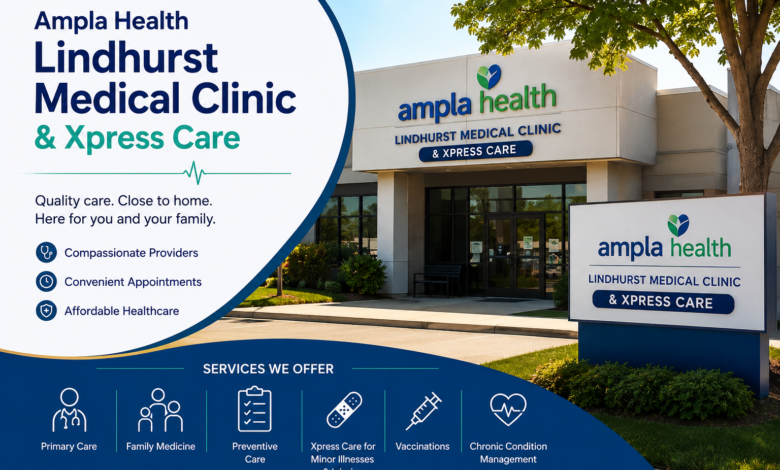
Access to quality healthcare plays a vital role in maintaining a healthy community. Medical facilities that offer comprehensive services, convenient scheduling, and patient-centered care help individuals receive the treatment they need without unnecessary delays. Among the healthcare providers serving local residents, Ampla Health Lindhurst Medical Clinic & Xpress Care has become known for delivering a wide range of medical services designed to support patients of different ages and healthcare needs.
Healthcare has evolved significantly over the years, with greater emphasis on prevention, early diagnosis, and long-term wellness. Today’s medical clinics focus on prevention, early diagnosis, wellness education, and ongoing care management. By combining traditional medical services with convenient access options, healthcare providers can improve patient outcomes and overall community well-being.
Understanding Community-Based Healthcare
Community healthcare clinics play an essential role in connecting patients with medical professionals. These facilities often provide services that address everyday health concerns while also helping patients manage chronic conditions and preventive healthcare needs.
Patients frequently seek community clinics because they offer:
- Primary healthcare services
- Preventive screenings
- Routine physical examinations
- Vaccinations
- Family healthcare support
- Management of chronic conditions
- Urgent care services for non-life-threatening issues
By making healthcare more accessible, community clinics help reduce barriers that can prevent individuals from seeking medical attention when needed.
Comprehensive Medical Services
One of the key advantages of modern healthcare clinics is their ability to provide multiple services under one roof. This convenience allows patients to receive care efficiently without visiting several different healthcare facilities.
Healthcare providers often focus on:
Primary Care
Primary care serves as the foundation of long-term health management. Physicians and healthcare professionals evaluate patient health, diagnose illnesses, and provide treatment plans tailored to individual needs.
Regular primary care visits can help identify potential health concerns before they become serious medical conditions.
Preventive Healthcare
Preventive medicine is a major component of modern healthcare. Rather than waiting for symptoms to appear, healthcare providers encourage routine checkups and screenings.
Preventive services may include:
- Blood pressure monitoring
- Diabetes screenings
- Cholesterol evaluations
- Annual wellness visits
- Immunizations
- Health education programs
These services help patients maintain healthier lifestyles while reducing future health risks.
Family Healthcare Services
Families often benefit from healthcare facilities that can serve multiple generations. From children to seniors, comprehensive family care helps ensure continuity and convenience.
Healthcare providers commonly support:
- Pediatric care
- Adult wellness services
- Women’s health
- Senior healthcare management
- Routine examinations
This approach allows families to establish long-term relationships with healthcare professionals who understand their medical history and healthcare goals.
The Importance of Xpress Care Services
In today’s fast-paced world, patients often need immediate medical attention for minor illnesses and injuries. Xpress Care services help bridge the gap between routine primary care appointments and emergency room visits.
Patients may visit an Xpress Care facility for:
- Cold and flu symptoms
- Minor infections
- Allergies
- Mild injuries
- Fever management
- Minor skin conditions
- Non-emergency medical concerns
These services can provide timely treatment while helping patients avoid lengthy waits associated with emergency departments.
Patient-Centered Healthcare Approach
Healthcare quality is measured not only by medical expertise but also by patient experience. Modern clinics increasingly focus on creating a supportive environment where patients feel comfortable discussing their health concerns.
A patient-centered approach typically includes:
Personalized Treatment Plans
Every patient has unique healthcare needs. Medical providers evaluate individual circumstances and develop treatment strategies that align with personal health goals.
Health Education
Educating patients about their conditions empowers them to make informed decisions regarding treatment and lifestyle choices.
Ongoing Care Management
For individuals with chronic health conditions, continuous monitoring and follow-up appointments can improve long-term outcomes.
Benefits of Accessible Healthcare
Accessible healthcare facilities contribute significantly to community health by ensuring that medical services are available when needed.
Benefits include:
Early Detection of Medical Conditions
Routine screenings can identify health concerns before symptoms become severe, allowing for earlier intervention and more effective treatment.
Reduced Healthcare Costs
Preventive care and early treatment often reduce the need for expensive emergency medical interventions later.
Improved Quality of Life
Regular healthcare support enables patients to manage their health proactively, leading to improved overall well-being.
Better Community Health Outcomes
When healthcare services are easily accessible, communities often experience lower rates of preventable illnesses and improved public health indicators.
Supporting Long-Term Wellness
Healthcare extends beyond treating illnesses. Long-term wellness involves maintaining healthy habits, attending regular medical appointments, and receiving professional guidance throughout different stages of life.
Healthcare professionals frequently encourage:
- Balanced nutrition
- Physical activity
- Stress management
- Routine health screenings
- Vaccination schedules
- Healthy lifestyle choices
These recommendations support disease prevention while promoting overall health and wellness.
The Future of Community Healthcare
Healthcare continues to evolve as medical providers adopt new technologies and patient care strategies. Modern clinics increasingly integrate digital tools, streamlined scheduling systems, and improved communication methods to enhance the patient experience.
Future healthcare trends may include:
- Expanded telehealth services
- Digital patient records
- Improved care coordination
- Enhanced preventive health programs
- Greater healthcare accessibility
These developments aim to make healthcare more efficient, convenient, and patient-focused.
Conclusion
Ampla Health Lindhurst Medical Clinic & Xpress Care represents the growing importance of accessible, community-centered healthcare. Through primary care services, preventive medicine, family healthcare support, and convenient Xpress Care options, healthcare providers help individuals receive timely medical attention while promoting long-term wellness.
As healthcare continues to advance, clinics that prioritize patient needs, accessibility, and preventive care will remain essential resources for healthier communities. By encouraging routine medical visits and proactive health management, community healthcare facilities contribute to improved quality of life for patients of all ages.