TransDS: Modern Data Management and Digital Transformation Solutions
TransDS: Modern Data Management and Digital Transformation Solutions

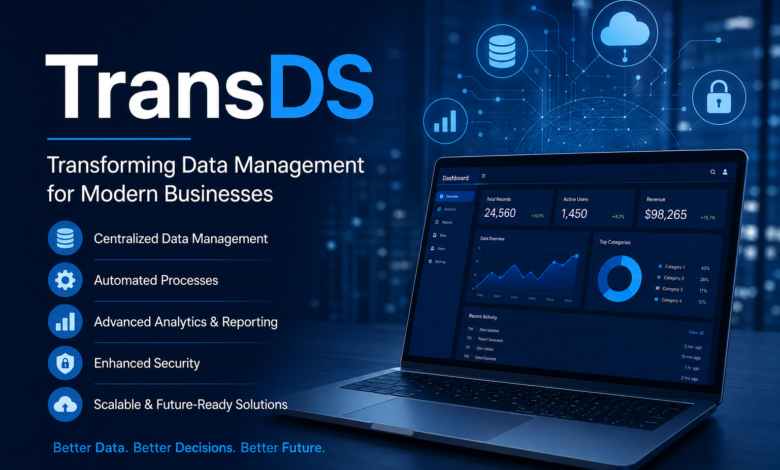
TransDS: Transforming Data Management for Modern Businesses
In today’s digital economy, businesses generate and process vast amounts of information every day. Managing this data efficiently has become one of the most important challenges for organizations of all sizes. Companies need reliable systems that can organize information, improve workflows, and support better decision-making. This is where TransDS emerges as a valuable solution for businesses seeking to optimize their data management processes.
TransDS represents a modern approach to handling business information, streamlining operations, and supporting digital transformation initiatives. As organizations continue to embrace technology-driven strategies, solutions like TransDS play an increasingly important role in maintaining efficiency and competitiveness.
Understanding TransDS
TransDS is associated with advanced data management and digital solutions designed to help organizations organize, analyze, and utilize information more effectively. In a business environment where data is often considered one of the most valuable assets, having a structured system for managing information can significantly improve operational performance.
The growing reliance on digital platforms has increased the need for solutions that can handle large volumes of data while maintaining accuracy and accessibility. TransDS addresses these requirements by providing tools and capabilities that support efficient information management.
Why Data Management Matters
Every organization relies on data to support daily operations. Customer records, financial reports, inventory details, employee information, and performance metrics all contribute to business success. Without proper management systems, organizations may struggle with data duplication, errors, and inefficiencies.
Effective data management provides several benefits:
- Improved accuracy of business information
- Faster access to critical data
- Better collaboration across departments
- Enhanced reporting and analytics
- Reduced operational costs
- Stronger decision-making capabilities
Solutions such as TransDS help organizations achieve these objectives by creating a more organized and accessible information environment.
Key Features of TransDS
Although specific implementations may vary depending on industry requirements, modern data solutions generally include a range of useful features.
Centralized Data Storage
One of the primary advantages of TransDS is the ability to centralize information. Instead of storing data across multiple disconnected systems, organizations can maintain a single source of truth that improves consistency and reduces confusion.
Automated Processes
Automation has become a major component of modern business operations. By reducing manual tasks, organizations can save time and minimize the risk of human error. Automated workflows also allow employees to focus on more strategic responsibilities.
Data Analytics and Reporting
Businesses need actionable insights to remain competitive. Advanced reporting capabilities help organizations identify trends, monitor performance, and make informed decisions based on accurate information.
Enhanced Security
Every business must take strong measures to keep its valuable and confidential data secure from unauthorized access. Data management platforms often include security features such as user access controls, encryption, and monitoring tools to safeguard critical business data.
Scalability
As businesses grow, their data requirements also increase. Scalable solutions ensure organizations can continue managing information effectively without major disruptions or costly system replacements.
Supporting Digital Transformation
Digital transformation involves integrating technology into various aspects of business operations. This process is not limited to adopting new software; it also includes changing workflows, improving communication, and enhancing customer experiences.
TransDS supports digital transformation by helping organizations:
- Modernize outdated systems
- Improve information accessibility
- Increase operational efficiency
- Strengthen data-driven decision making
- Adapt to evolving market demands
Organizations that successfully implement digital transformation strategies often experience improved productivity and greater flexibility in responding to industry changes.
Benefits for Different Industries
Data management solutions have applications across numerous industries. The versatility of platforms like TransDS makes them valuable in a wide range of business environments.
Healthcare
Healthcare organizations handle large amounts of patient information. Efficient data systems help improve record management, support compliance requirements, and enhance service delivery.
Finance
Financial institutions depend on accurate information for reporting, risk assessment, and regulatory compliance. Reliable data management supports operational integrity and informed decision-making.
Retail
Retail businesses use data to track inventory, understand customer behavior, and optimize sales strategies. Modern data platforms help streamline these processes and improve overall efficiency.
Manufacturing
Manufacturers rely on accurate production and supply chain information. A well-organized data system helps companies make informed plans, utilize resources efficiently, and maintain high operational standards.
Education
Educational institutions manage student records, administrative information, and academic performance data. Centralized systems improve accessibility and operational organization.
Challenges Organizations Face Without Effective Data Solutions
Many organizations continue to struggle with fragmented information systems. These challenges often include:
- Duplicate records
- Inconsistent data quality
- Limited visibility into operations
- Slow reporting processes
- Increased administrative workload
- Difficulty scaling business operations
By implementing structured data management solutions, organizations can reduce these challenges and create a more efficient operational framework.
The Future of Data Management
The importance of data will continue to grow as technologies such as artificial intelligence, machine learning, and advanced analytics become more widely adopted. Organizations will increasingly depend on accurate, accessible, and secure information to remain competitive.
Future data management platforms are expected to offer:
- Greater automation capabilities
- Enhanced predictive analytics
- Improved cloud integration
- Stronger cybersecurity features
- More intuitive user experiences
Businesses that invest in modern data solutions today will be better positioned to adapt to future technological developments and market changes.
Best Practices for Successful Implementation
Organizations considering a data management platform should follow several best practices:
- Define clear business objectives.
- Assess existing data infrastructure.
- Train employees effectively.
- Establish data governance policies.
- Monitor performance regularly.
- Continuously improve processes.
A thoughtful implementation strategy helps maximize the value of any technology investment while reducing potential disruptions.
Conclusion
TransDS represents the growing importance of intelligent data management in today’s business environment. As organizations generate increasing amounts of information, having a reliable system for organizing, analyzing, and protecting data becomes essential. By supporting operational efficiency, enhancing decision-making, and enabling digital transformation, TransDS can contribute significantly to long-term business success.
Organizations that embrace modern data solutions are better equipped to navigate changing market conditions, improve productivity, and create sustainable growth opportunities. In a world driven by information, effective data management is no longer optional—it is a fundamental requirement for future success.